As a yacht broker with years of experience, I have personally witnessed numerous motor yachts prematurely scrapped or incurring skyrocketing repair costs due to neglected maintenance. Regular upkeep is not a luxury, but the foundation for ensuring your yacht's performance, safety, and longevity.
The importance of motor yacht maintenance is evident in the following aspects:
Ensuring Optimal Yacht Performance: Only when the engine, electrical systems, hull, and underwater propulsion systems operate in harmony can the yacht achieve its designed responsiveness, speed, and fuel efficiency.
Enhancing Safety and Preventing Unexpected Failures: The marine environment is demanding, and the failure of any single system can lead to serious accidents. UNICO's Essential Maintenance Tips to Maximize Yacht Engine Longevity states: “Routine yacht engine maintenance can reduce engine failures by up to 75% and extend engine lifespan by more than 30%.”
Extending yacht lifespan: Based on my extensive project experience, yachts with consistent maintenance typically outperform neglected vessels by over 20% in both operational longevity and resale value.
The benefits of maintenance extend beyond risk avoidance to include cost control and asset preservation. Specifically:
Reduced repair costs: Preventive maintenance is significantly cheaper than unexpected major repairs.
Avoiding costly unexpected repairs: Sudden failures often incur hidden costs like downtime, rescue operations, and towing.
Enhance market value: To facilitate the sale of luxury yachts, ensure comprehensive maintenance records and smooth operational performance.
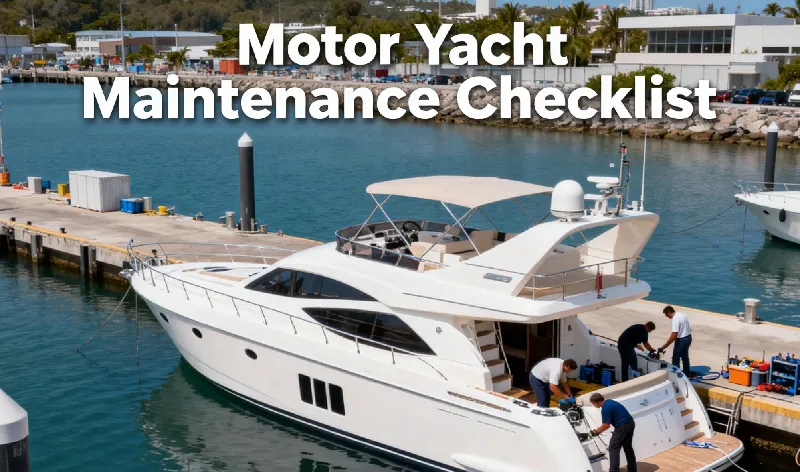
Table of Contents:
1. Basic Categories of Motor Yacht Maintenance
2. Motor Yacht Maintenance Checklist
1). Yacht Engine Maintenance
2). Electrical System Maintenance Schedule
3). Hull System Maintenance Schedule
4). Underwater Component Inspection & Maintenance Schedule
5). Yacht Maintenance Cost Table
3. Recommended Yacht Maintenance Tools and Materials
4. Conclusion
5. Frequently Asked Questions
1. Basic Categories of Motor Yacht Maintenance
To systematically manage maintenance, I categorize tasks across two dimensions: by time cycle and by system.
By Time Cycle
Monthly Tasks: Short-term, frequent but simple inspections.
Pre-Season Tasks: Typically performed before seasonal changes or major usage periods.
Annual Tasks: One-time or in-depth inspections/adjustments with higher complexity.
By System Classification
Engine System: Main engine, transmission, fuel, cooling, etc.
Electrical System: Batteries, wiring, equipment, circuit breakers.
Hull System: Hull structure, coatings, seals, rudder/propeller.
Underwater Components: Propeller, thrusters, water pumps, biofouling prevention.
2. Motor Yacht Maintenance Checklist
The following is a preventive maintenance checklist for motor yachts, compiled from my years of practical experience. For readability, I present each system's maintenance tasks in a table format, noting the “Necessity” (mandatory/optional) and “Difficulty Level” (easy/medium/difficult) for each task.
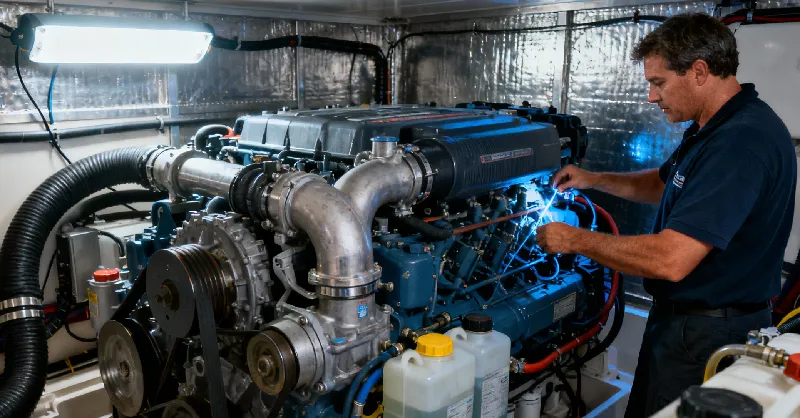
1). Yacht Engine Maintenance
The engine is the heart of a motor yacht, making mastering How to Maintain a Yacht's Propulsion System crucial for owners. Below are common engine maintenance items encountered in my practice:
| Task Item | Maintenance Interval | Necessity | Difficulty | Specific Steps/Notes |
| Check Oil Level and Change Oil | Monthly/Quarterly | Mandatory | Medium | Ensure proper oil level; replace using manufacturer-recommended oil specifications and intervals. During an oil change on a 45-ft motor yacht in the Western Mediterranean, I discovered mild engine knocking caused by low oil levels. Prompt replacement restored smooth operation. |
| Check Fuel System (Clean Fuel Filter) | Monthly/Quarterly | Mandatory | Moderate | Regularly clean or replace the filter to prevent contaminants from entering the fuel system and affecting engine performance. I once addressed a yacht with a clogged fuel filter causing starting difficulties; immediate replacement on-site resolved the issue. |
| Check Cooling System (Coolant Inspection) | Monthly/Quarterly | Mandatory | Simple | Confirm adequate coolant levels to prevent engine overheating; inspect cooling system for leaks. Yachtsurvey's 2025 Global Threat Report states, “the vast majority of engine damage results from the failure to maintain the cooling system.” |
| Transmission and Gear Oil Inspectio | Quarterly/Annually | Mandatory | Moderate | Regularly check transmission fluid levels and gear oil condition to prevent wear, gear noise, or loss of power transmission. |
| Starting System Test (Battery, Wiring) | Monthly | Mandatory | Simple | Regularly check battery voltage, clean terminals, and verify starting system functionality. I once discovered oxidized battery terminals the day before a charter and cleaned them immediately, preventing a startup failure the next day. |
| Complete Engine Inspection and Tuning | Annually | Mandatory | Difficult | Includes comprehensive checks of the fuel injection system, cylinder pressure, exhaust system, etc. During the annual maintenance of a 50-foot yacht I managed, I found worn fuel injectors beyond their service life. Replacing them significantly improved fuel efficiency. |
2). Electrical System Maintenance Schedule
The electrical system serves as the yacht's “nerve center.” Even minor circuit faults can impact navigation, lighting, or propulsion systems. While maintenance tasks may seem tedious, meticulous inspections effectively prevent major failures.
| Task Item | Maintenance Cycle | Necessity | Difficulty | Specific Steps/Notes |
| Check Batteries and Voltage | Monthly | Mandatory | Simple | Test battery voltage, clean terminals, inspect charging system. |
| Test Onboard Electrical Equipment (Navigation, Lights) | Monthly/Quarterly | Mandatory | Simple | Ensure all electrical equipment functions properly, especially navigation systems and emergency lighting. |
| Inspect wiring and connectors | Quarterly/Annually | Mandatory | Moderate | Check cables for wear, corrosion, and secure connections. |
| Replace Electrical Fuses and Circuit Breakers | Annually | Optional | Moderate | Replace damaged fuses or circuit breakers as needed to maintain system safety. |
3). Hull System Maintenance Schedule
The hull system of a motor yacht encompasses external coatings and internal sealing structures, directly impacting the vessel's watertight integrity, stability, and aesthetic appeal. Regular hull inspections and maintenance effectively extend the yacht's service life while preserving its optimal appearance.
| Task Item | Maintenance Cycle | Necessity | Difficulty | Specific Steps/Notes |
| Clean and Inspect Hull (Exterior Coating, Bottom) | Monthly/Quarterly | Mandatory | Simple | Clean hull surfaces, remove stains, inspect for damage, especially at the waterline. |
| Inspect Watertight Compartments and Hull Seals | Monthly/Quarterly | Mandatory | Moderate | Ensure seals are not aged or damaged to prevent leaks. |
| Inspect Rudder System and Propeller | Quarterly | Mandatory | Moderate | Regularly check rudder system operation and propeller condition. |
| Apply Anti-Corrosion Treatment (Hull Varnish or Coating) | Annually | Mandatory | Difficult | Thoroughly inspect anti-corrosion coating for peeling and reapply as needed. I once discovered micro-cracks from corrosion on a midsize yacht's hull bottom; timely reapplication prevented major repairs later. |
4). Underwater Component Inspection & Maintenance Schedule
Underwater components like propellers and thrusters directly impact yacht speed and fuel consumption. Regular inspection and cleaning significantly boost operational efficiency.
| Task Item | Maintenance Cycle | Necessity | Difficulty | Specific Steps/Notes |
| Clean Propeller/thruster | Quarterly | Mandatory | Simple | Remove algae and debris from propellers/thrusters to ensure propulsion efficiency. |
| Inspect Bilge Pumps and Drainage System | Monthly/Quarterly | Mandatory | Moderate | Verify pump functionality and unobstructed drainage lines. |
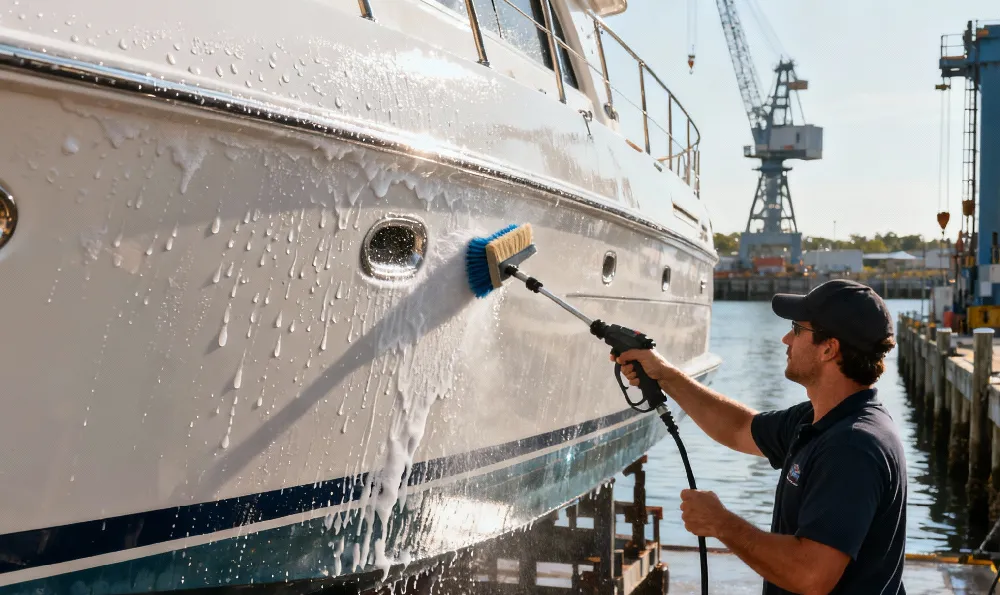
| Prevent Biofouling (Marine Growth) | Annually | Mandatory | Difficult | Perform descaling to prevent marine organism attachment and performance degradation. After one Mediterranean voyage, I performed water jet cleaning and applied an anti-fouling coating to the hull. This resulted in noticeable fuel savings during the second season of use. |
5). Yacht Maintenance Cost Table
In addition to understanding the motor yacht service schedule outlined above, it is equally vital to be aware of yacht maintenance costs. The table below provides a clear comparison of maintenance expenses across common size categories, serving as an important reference for formulating yacht acquisition and ownership plans.
|
Yacht Size | Annual Basic Maintenance | Major Engine Service | Full Refit Range |
| 30–40 ft | $3,000–$6,500 | $2,000 | $30,000+ |
| 40–60 ft | $6,500–$12,000 | $4,000 | $50,000+ |
| 60–80 ft | $15,000–$25,000 | $7,500 | $100,000+ |
| 80 ft+ | $30,000+ | $15,000 | $250,000+ |
3. Recommended Yacht Maintenance Tools and Materials
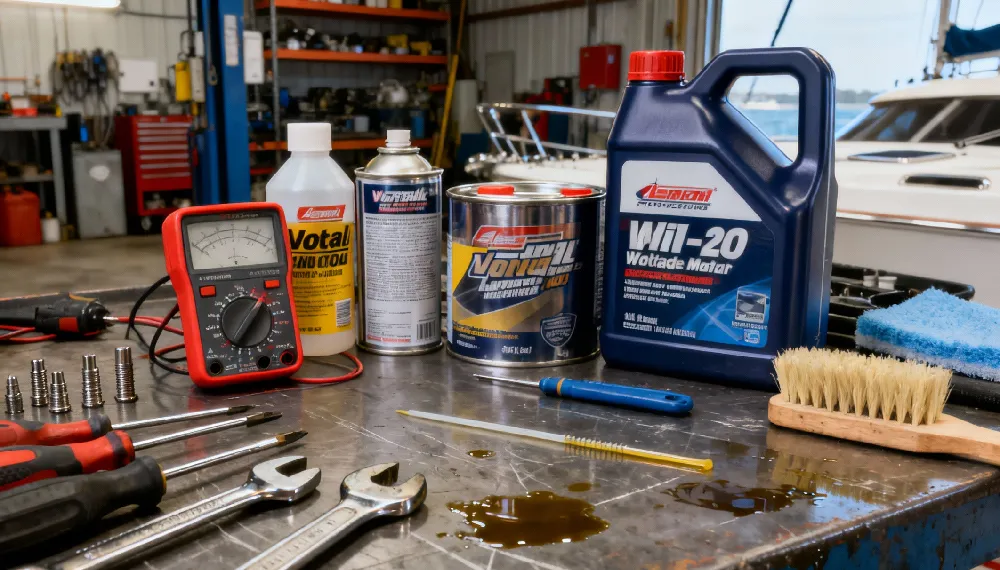
Recommended tool list: Screwdrivers, wrenches, voltage meter, dipstick, cleaning brushes, propeller brushes, soft seawater brushes, etc.
Recommended Materials: Premium engine oil, manufacturer-specified coolant, lubricants, anti-corrosion coatings, antifouling coatings, fuel filters, electrical fuses/circuit breakers, etc. Based on years of procurement experience, selecting reputable brands and adhering to manufacturer specifications is crucial for avoiding warranty disputes and unexpected failures.
4. Conclusion
From my professional experience, a yacht upkeep guide entails planning ahead and carrying out maintenance tasks regularly, thereby keeping overall costs significantly lower than those incurred by emergency repairs. Consider a yacht whose engine cooling system failed completely, requiring towing, engine replacement, and weeks of downtime—costing tens of thousands of dollars. Conversely, allocating a few thousand dollars annually for preventive maintenance can avert such catastrophic risks.
For simple monthly or pre-season tasks, captains or crew can easily handle them themselves—I often assisted captains with such work early in my career. However, for high-complexity tasks like annual engine deep tuning, major anti-corrosion coatings, or main engine system replacements, I strongly recommend relying on certified marine repair companies. This approach not only ensures greater safety but also helps maintain repair records and enhances future resale value.
Regular, systematic maintenance not only extends the yacht's service life but also enhances its competitiveness when selling your yacht.
5. Frequently Asked Questions
Q. Why is regular maintenance so crucial for motor yachts?
A: Regular maintenance ensures all systems operate at peak performance, minimizes breakdown risks, and extends the yacht's lifespan. By routinely inspecting engines, electrical systems, hulls, and more, potential issues are identified and resolved early. This prevents costly repairs, avoids unexpected failures, and safeguards navigational safety.
Q. How do the difficulty levels differ between quarterly and annual maintenance tasks?
A: Quarterly tasks involve more basic checks, such as inspecting the cooling system, transmission fluid levels, and cleaning the propeller. These tasks are generally moderately challenging. Annual tasks, however, consist of one-time in-depth inspections and system calibrations, such as comprehensive engine diagnostics and anti-corrosion treatments. These operations are more complex and may require specialized tools and technical support.
Q. What are typical maintenance costs for motor yachts?
A: Maintenance expenses vary based on yacht size, brand, and usage frequency. Generally, basic monthly and quarterly tasks incur lower costs, while annual deep maintenance and overhauls are more expensive. For instance, annual maintenance may cost thousands of dollars, potentially reaching tens of thousands for larger vessels. Preventive maintenance costs are significantly lower than emergency repairs.
About the Author
Emery
Yacht Broker / Yacht Transaction Consultant / Contributing Writer for Yachting Magazine
SAMS Certified Surveyor #2458
Honored as one of “Asia's Top 10 Yachting Industry Experts” and recipient of the “Outstanding Service Award for Yacht Brokers”
Last Updated: November 2025
Applicable Audience: Motor yacht owners, captains and crew, yacht maintenance personnel, prospective buyers, yacht brokers, and surveyors
Disclaimer
The motor yacht maintenance information provided herein is based on the author's extensive professional experience and relevant reference materials. While striving for accuracy and comprehensiveness, variations in yacht models, operating environments, and maintenance conditions may render the content unsuitable for all scenarios. For practical implementation, always consult the yacht manufacturer's manual and seek professional advice. The author and related parties assume no liability for any direct or indirect losses arising from actions taken based on this document. This material is intended for reference purposes only and does not constitute professional legal or technical advice. Exercise due diligence before implementation.